Kids’ Summer Vacation: Fun, Sun, and Sneaky Learning on a Budget!


Kids' Summer Vacation: Enjoyable Activities, Sunshine, and Disguised Learning on a Budget!

Summer vacation has arrived, and the kids are eager to swap their school books for sunshine! Fortunately, you don't need to break the bank on extravagant camps or expensive attractions to create an unforgettable break. With some imagination, you can fill their days with excitement, exploration, and a sprinkle of education—all without straining your budget. Here’s your ultimate guide to affordable summer enjoyment! 

1. Free Outdoor Adventures-

   - Park Explorations: Local parks are treasure troves of enjoyment—consider playgrounds, vast fields for frisbees, and shady areas for picnics.

   - Nature Walks & Hikes: Discover nearby trails, search for interesting bugs, or see who can spot the most birds. The bonus: it's a fun way to stay active.

   - Backyard Camping: Set up a tent, roast marshmallows, and share ghost stories beneath the stars—no camping fees necessary.

   - Beach or Lake Excursion: Pack a picnic, bring along buckets for sandcastle-making, and let the kids play in the water to their heart's content.

2. Affordable Water Fun

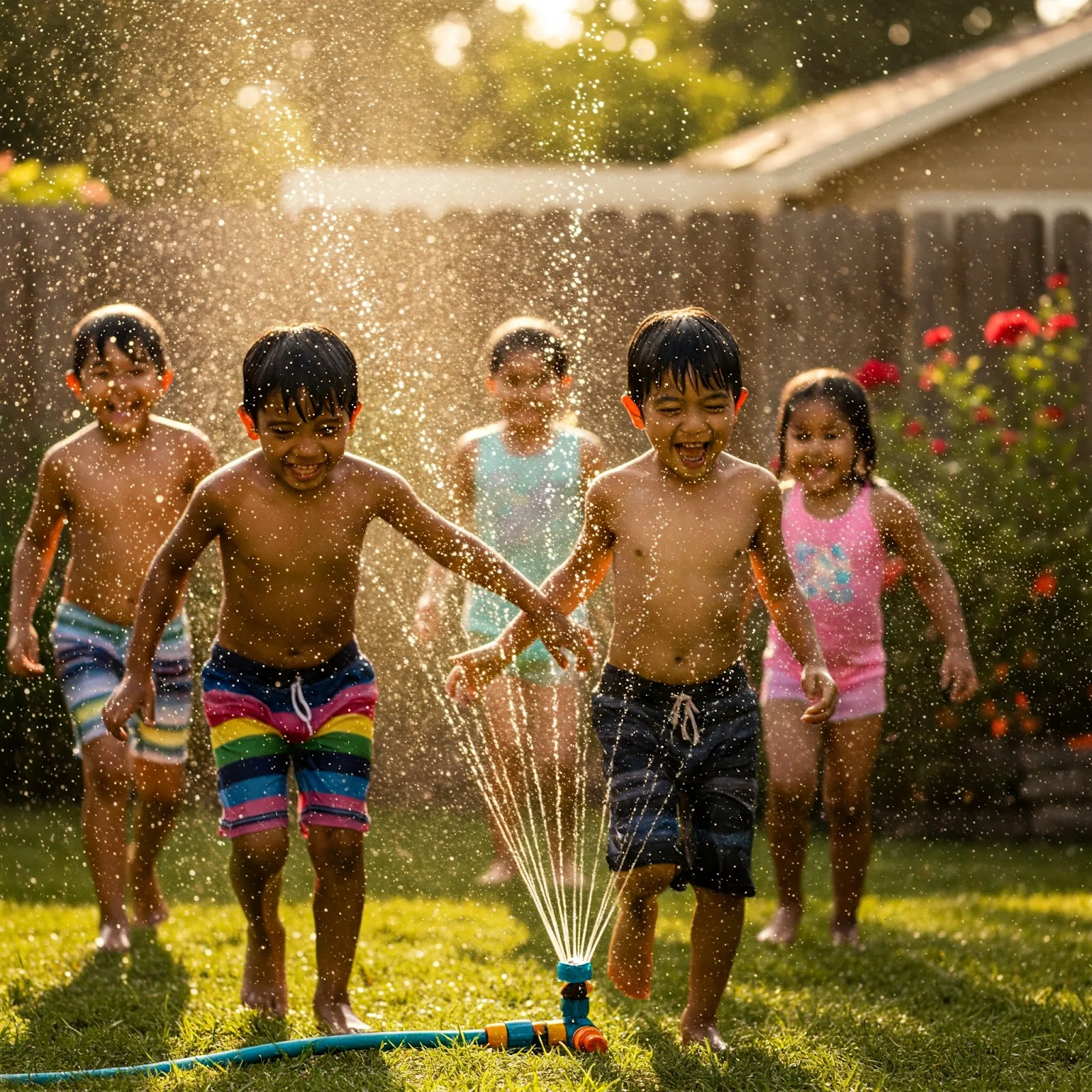
   - Homemade Water Park: Create a backyard water park with sprinklers, water balloons, or a DIY slip-n-slide for endless fun and cooling off.

   - Splash Pads & Pools: Many towns offer free or low-cost splash pads and public swimming pools—ideal for a hot summer day.

3. Creative Crafts and Projects at Home

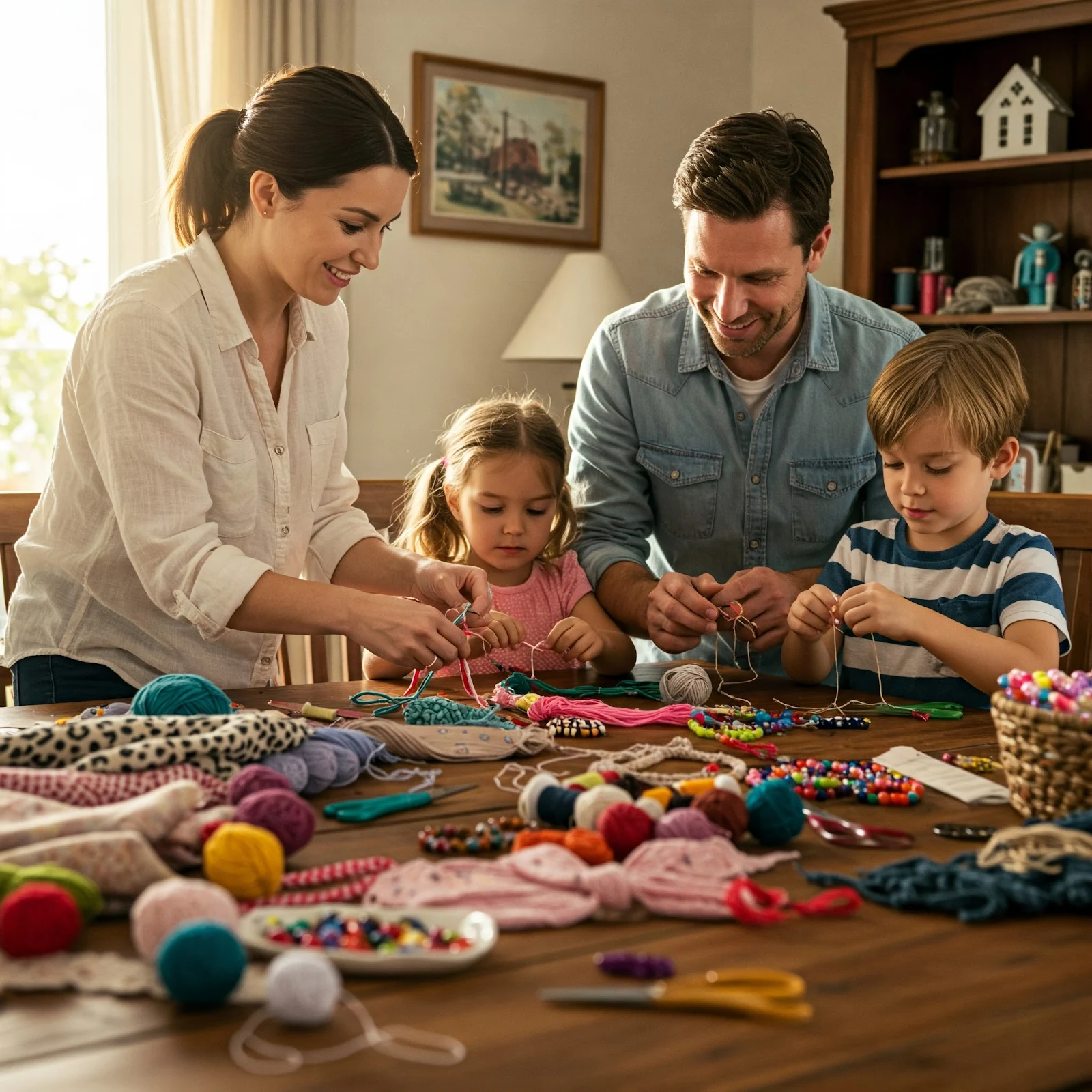
   - Construct a Cardboard Castle: Use leftover boxes to let the kids design and personalise their castle.

   - Sock Puppets & Homemade Playdough: Use leftover socks and kitchen ingredients for simple, creative enjoyment.

   - Rock Painting or DIY Art: Transform rocks into ladybugs or superheroes, or create a family art gallery wall.

4. Subtle Learning Activities

   - Library Outings: Local libraries are summer heroes, offering free story times, craft days, and reading challenges.

   - Scavenger Hunts: Create a list of items to find at the park or home; it’s an enjoyable activity that also stimulates their minds.

   - Farmers' Market Visit: Visit a farmers' market to try different fruits and learn about food sources.

5. Fun for Rainy or Too-Hot Days

   - Board Game Marathons: Revisit old favourites or create your own games.

   - Movie Nights: Many cinemas provide discount days, or set up a cosy home theatre complete with popcorn and blankets.

   - DIY Science Fun: Make homemade ice cream, microwave s'mores, or freeze toys in water for a “rescue mission” activity.

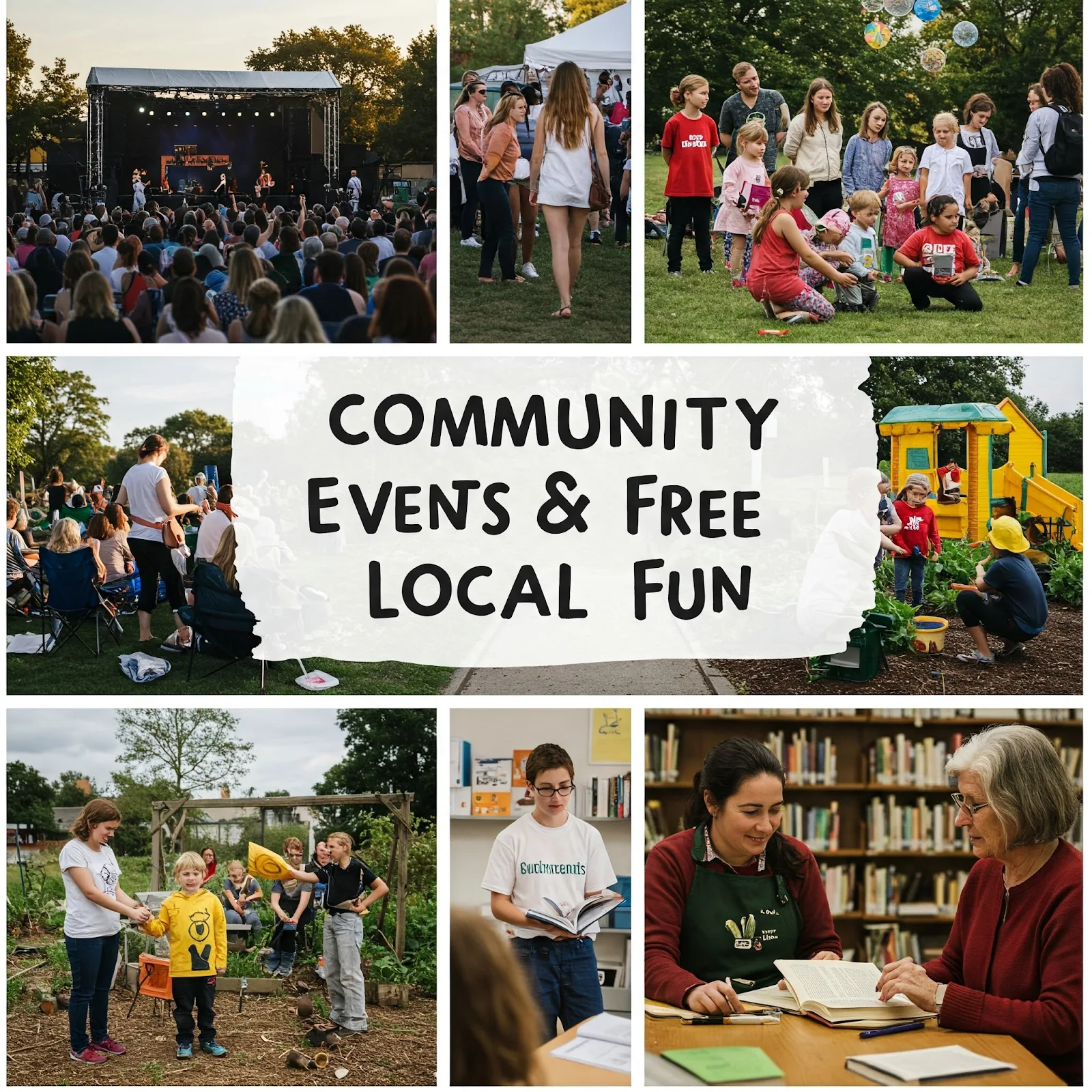
6. Community Activities & Free Local Entertainment

   - Free Museum Days & Workshops: Look out for free or low-cost hands-on activities at local museums, galleries, or even hardware store workshops.

   - Festivals & Fairs: Keep an eye out for free concerts, outdoor films, or community fairs throughout the summer.

The Secret Ingredient: Blending Fun with Learning

The best part is that all these activities incorporate some learning, whether it’s reading, counting change at a lemonade stand, or exploring nature. So, gather your sunscreen and adventurous spirit, and get ready for a memorable summer that won’t break the bank!

Let the fun (and learning) commence!


Comments

Popular posts from this blog

School Hours in India: A Comprehensive Guide for Parents

India's school hours are very different based on the school, grade level, and type of organization. Parents need to know about these differences in order to plan their child's schooling and daily life. India's standard school hours Most schools are open in the morning. Indian schools usually start in the morning, between 8:00 AM and 9:00 AM, and end in the afternoon, between 2:00 PM and 4:00 PM. With this usual schedule, kids can go to paid classes or do things outside of school in the afternoon. Full-Day Schools Some schools, mostly private ones, stay open later than 8:30 AM, until 4:30 PM or even later, adding more classes, sports, and extracurricular activities to the school day. School Hours for Each Board The CBSE Schools A typical school day at a CBSE (Central Board of Secondary Education) school lasts between 6 and 7 hours. This is a normal CBSE school schedule: - Morning meeting: 8:30–8:45 AM - School hours: 8:45 AM to 2:00 PM - Breaks: 10 to 15 minutes between each...

Complete Guide to School Timing in India: State-wise Schedule and Best Practices

The times that schools in India start and end are very different from state to state and board to board. This means that there are a lot of different school schedules. Parents, teachers, and students who want to get around the Indian school system need to know these patterns. Most Indian schools are open for 6 to 8 hours a day, starting between 7:00 and 9:00 in the morning. The Central Board of Secondary Education (CBSE) gives general guidelines, but each state can set its own times based on what works best for its people and culture. In the north, states like Rajasthan and Punjab change their schedules with the seasons. During the summer months (April to June), schools often open from 7:00 AM to 12:30 PM to avoid the heat. Because the sun rises later and the weather is colder in the winter, school hours usually change to 8:30 AM to 2:30 PM. Southern states have more stable times because they are in a tropical area. In Tamil Nadu, Karnataka, and Kerala, schools are open from 9:...

Green Teej Dresses for Kids (2026): Traditional & Modern Designs Stressed Parents Love

The monsoon is in full swing here in Jaipur, the smell of fresh ghevar is everywhere, and my family’s WhatsApp group is officially flooded. Why? Because Hariyali Teej is around the corner. If you’re a parent raising kids aged 6 to 12 right now, your biggest anxiety this week isn't the inflation rate or the fluctuating stock market. It’s the mandatory school notification: "Please send your child in a Green Teej outfit this Friday." Panic sets in. You want your child to look cultural, innocently beautiful, and competitive in the informal "who is dressed best" playground competition, but you also don’t want them screaming that their clothes are itchy. Welcome to modern parenting. We used to worry about grades; now we worry about photogenic outfits. The 2026 Indian Kids' Wear Boom: The Real Numbers If you think this stress is self-imposed, you’re only half right. The market is capitalizing on our anxiety. According to a 2025 consumer insight report from the Clo...

25 Best Teej Songs for School Celebrations (2026): The Ultimate Parent's Guide

When August rolls around and the monsoon finally hits the Pink City, the entire atmosphere transforms. The markets are overflowing with fresh ghevar , the streets are a sea of colorful leheriya sarees, and the city comes alive. But if you are raising a 6 to 12-year-old right now, you know what else this season brings: the absolute chaos of the school WhatsApp group. "Dear Parents, please prepare a 2-minute dance performance for the upcoming Hariyali Teej celebration." Panic sets in. You want your child to shine, but you also don't want them dancing to some inappropriate, auto-tuned club track. You want culture, you want innocence, and you want something that will actually look good on the school stage. Welcome to the 2026 school cultural rat race. The 2026 Cultural Shift in Schools We used to just send our kids to school to learn math and science, yaar. But things have changed drastically. With the full implementation of the National Education Policy (NEP) 2020, schools ...

Primary School Timing Guidelines for Indian Students

  The Right to Education (RTE) Act 2009 in India set strict rules for when primary schools might open and close for kids ages 6 to 12. These criteria, which are founded on research, make sure that students have the best possible learning environment and that they are as involved as possible in the wide range of schools around the country. What the RTE Act 2009 Says Primary schools (Classes I-V) must be open for at least 200 days a year and provide 800 hours of effective education. This means around four hours of teaching per day, which creates organised learning settings that meet both academic and developmental requirements for kids of all ages. The RTE framework says that instructors must spend 45 hours a week, including time to prepare, to make sure they provide good lessons. The Best Schedule Structure Most government primary schools are open from 9:00 AM to 1:00 PM, which gives students four hours of dedicated instruction time. This morning-based schedule fits with the natural...
This website uses cookies to improve your experience.